

How sustainability drives operational excellence at Clorox


- Sustainability is embedded across Clorox’s operations, ensuring every function, from R&D to procurement, plays a role in driving impact.
- Designing better, more sustainable products starts early, with teams designing products, materials, and packaging with sustainability criteria from the start, resulting in solutions that reduce waste while aligning with what consumers expect.
- Collaboration across our supply chain is strengthening our business, as Clorox teams and suppliers work together to lower emissions, use more recycled content, and ensure sustainability supports cost, quality, and performance goals.
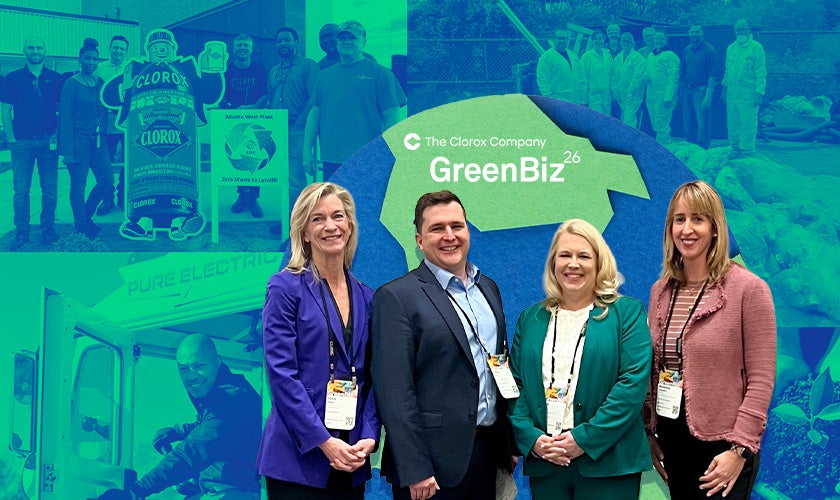
At this year’s GreenBiz 26 conference, three Clorox leaders took the stage to share how sustainability becomes real inside a business: not as a side initiative, but as a core driver of operational excellence. The session brought together perspectives from across the company, including sustainability, R&D, and procurement, to show what it takes to embed sustainability into everyday decision-making.
Representing Clorox were Niki King, chief sustainability officer; Pedro Diaz, senior procurement director, Global Business Operations & ESG; and Michelle Claudnic, senior director, Innovation & R&D. Together, they discussed how governance, innovation, and supplier engagement work in concert to ensure sustainability supports — and strengthens — business performance.
Here’s a look at how the conversation unfolded and what it means for embedding sustainability into everyday operations.
How is sustainability governed and embedded across Clorox’s operations?

Niki King: Strong governance is essential to embed sustainability throughout Clorox. We’ve established a structure that sets clear direction at both an enterprise and business unit level and ensures responsibility is shared company-wide, not limited to one team.
Like steering a ship, the chief sustainability officer sets the course, supported by technical experts who track progress and guide teams through changing conditions. True progress happens when everyone knows their role with operations, procurement, R&D, and commercial teams each influence outcomes. Embedding sustainability means integrating it into everyday decisions, from sourcing materials to designing products.
As strategies evolve, so does our governance, but the core goal remains: sustainability is integral to how the business operates to unlock innovation and mitigate risk — not a separate initiative.
How are Clorox teams embedding sustainability into everyday decisions — and how do you know it’s working?

Michelle Claudnic: In R&D, the biggest shift has been moving sustainability upstream into design decisions from the start. We build sustainability criteria into upfront product formulation, materials selection and packaging design work from the start.
We also partner earlier with procurement and manufacturing, so key considerations are addressed during development. Clear enterprise guardrails around recyclability, recycled content and product stewardship help teams innovate within defined parameters.
Sustainability is part of what good science and good design look like at Clorox, and this upstream approach reflects how consumers experience our products. When sustainability is built into formulation and packaging decisions from the start, it enables solutions that are easier to use, create less waste, and align with what consumers are actively seeking.
We know it’s truly integrated when sustainability shapes what gets developed in the first place. Our Litter business, for instance, has partnered with our manufacturing plants on packaging opportunities. In 2025, the plants modified our pouch structures and minimized scrap on our pouch-making equipment, smart changes that will save hundreds of thousands of pounds of plastic annually across all the litter we pack and sell. If teams are making different material, formulation or packaging choices because sustainability is part of success criteria from the start, then it’s operationalized.

Pedro Diaz: From a procurement perspective, we always work toward making sustainability a value-creation lever. That means driving toward embedding it into category strategies, the way we think about supplier partnerships, and the elements considered for our sourcing decisions.
We work closely with suppliers on recycled content, packaging innovation and emissions reduction, striving to align sourcing decisions with our 2030 climate goal. When sustainability is integrated into how we manage suppliers, contracts and innovation pipelines, it becomes inseparable from cost, risk, and growth decisions. It also plays a critical role in meeting rising consumer expectations for transparency and responsibility.
Niki King: At an enterprise level, true integration shows up in how decisions are made. Business units weigh sustainability alongside a number of other factors and build benchmarks into multi-year plans and scorecards so their teams are accountable for progress.
We also see it in how procurement and R&D operate. Sustainability is treated as a design input, not a downstream fix. Teams prototype with environmental considerations in mind and understand the trade-offs involved. That’s when sustainability becomes a driver of innovation and operational excellence.
What’s next as Clorox continues linking sustainability and operational excellence?

Niki King: Education remains a priority. We’ve made progress helping teams understand their role, but we want every teammate to see how their work connects to our ambitions. We’re also implementing score-carding so business units have clear visibility into performance and opportunities to improve. From there, we’ll continue testing, learning, and adjusting.
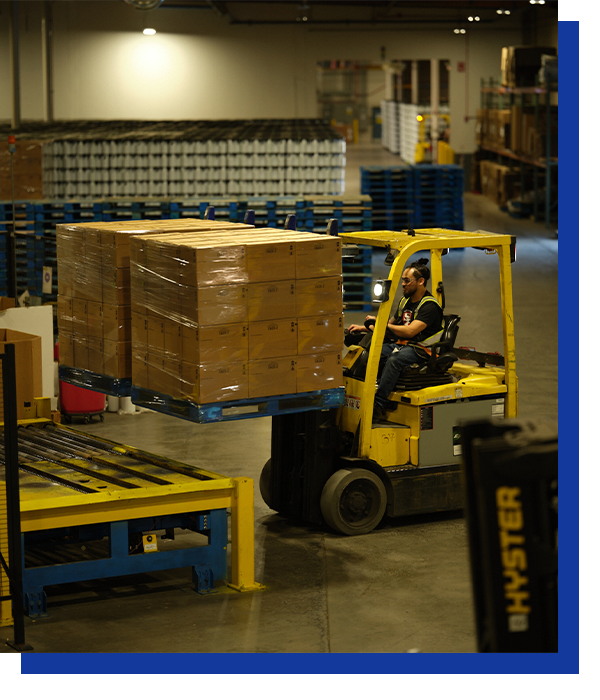
Pedro Diaz: For Procurement, we are excited to continue strengthening our approach across several key areas, deepening collaboration with suppliers, particularly around innovation and data transparency. We are also advancing our approach to more clearly connect sustainability progress with cost, risk, and growth decisions, enabling environmental outcomes while supporting critical business priorities.
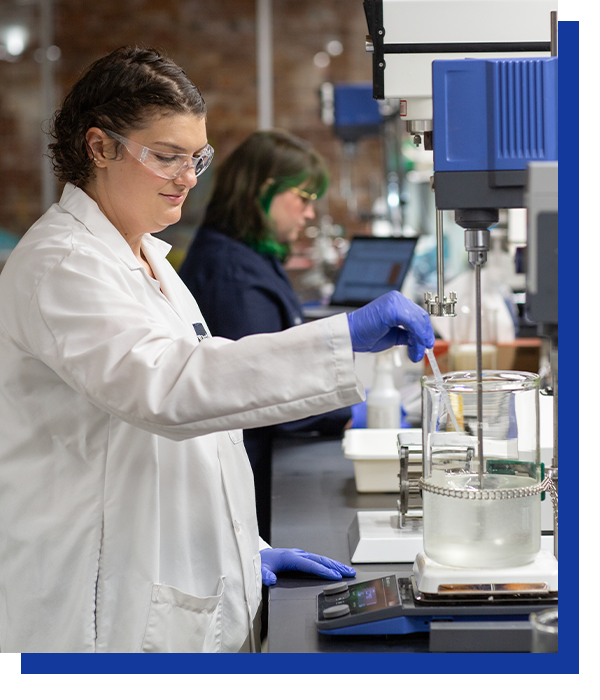
Michelle Claudnic: In R&D, we’re continuing to standardize sustainability design principles so teams can innovate faster while consistently delivering better environmental outcomes and superior experiences for consumers—ones that seamlessly integrate sustainability into product performance, design, and ease of use. The goal is to make sustainability an accelerator for innovation.
