

Consumers say bye to the year of brain rot


By Oksana Sobol, Vice President of Consumer Insights – Marketing
As 2025 winds down, we reflect on what it meant to consumers.
If inflation was the theme of 2024, volatility was it for 2025. Consumers learned to navigate uncertainty by adapting how they shop; they’re making more frequent trips to the store but buying less each time. Their bar for value is higher, too. People are willing to spend on products that are clearly superior and spark joy, but equally quick to say “I’ll do without” to the rest.
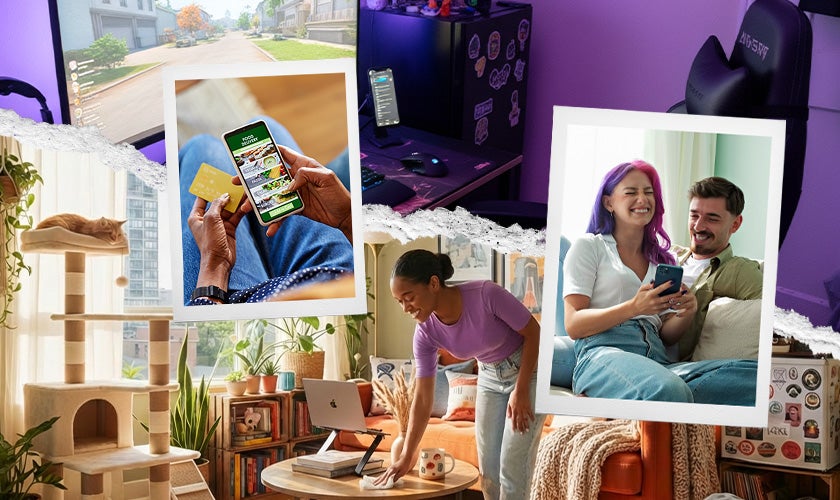
Consumers are spending more time at home, which has them investing in comfort, upkeep and convenience. Cleaning time now averages 25 minutes daily — more than during the pandemic and a new high. On the other hand, Americans are saving time by leveraging grocery delivery and meal services, regularly used by over 30 percent of our consumers. Time spent commuting to stores and errands is declining, too, thanks to continued growth of e-commerce and e-services.
Where does that extra time go? Screens. Leisure screentime has grown by a staggering 33 percent since 2019 and gaming by 42 percent. YouTube now reigns as America’s No. 1 media outlet. Doomscrolling has given way to unabashed brain rot (let us know in the comments if you’ve cracked “6-7”).
What will it take for brands to succeed in 2026?
Joy-per-dollar
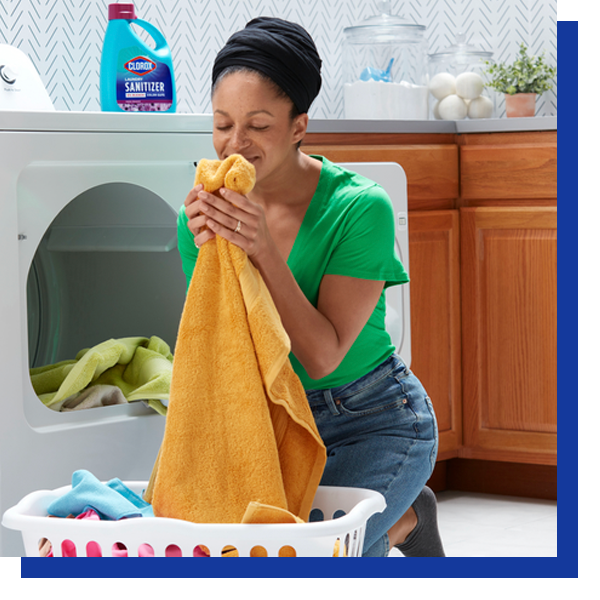
If it doesn’t spark delight, it’s not making the cart.
Time as currency
If it saves time and makes life easier, consumers are willing to pay more.

Micro-adventures
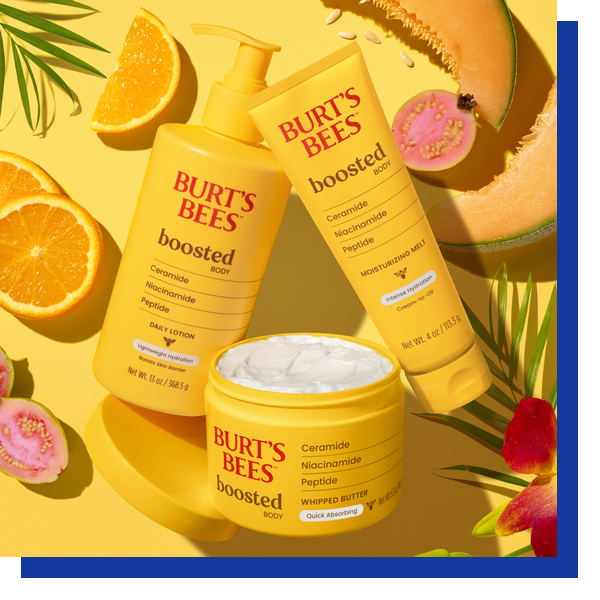
Enhancing product experiences with sensory escapes, novelty, and visual intrigue.
Fancifying life at home
The kitchen is the new culinary hub, the living room is the cinema (minus the sticky floors), and that multi-functional office/gym/gaming space could use some sprucing up. We’ll continue to see consumers wisely invest in their home sanctuaries.

Community vibes
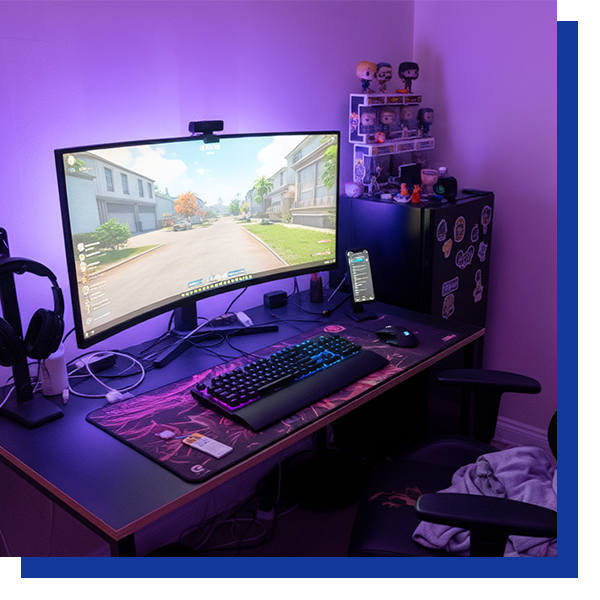
Online and offline, people still crave connection and belonging. Brands that authentically meet consumers where they are will be allowed in. Whether it’s through intriguing Twitch integrations, novel collabs, or that TikTok video that went viral, brands that engage in today’s culture don’t only create products, they create tribes.
Sources:
U.S. Bureau of Labor Statistics American Time Use Study
Clorox Consumer Behavior Monitor
eMarketer
