About The Clorox Company

At Clorox, we work together to ensure we're running our business with a focus on integrity and quality, guided by our core value of doing the right thing every single day. We know choices we make have a significant impact on people, our planet and our communities. That's why we're continually strengthening our commitment to Corporate Responsibility, focusing on five pillars: People, Products, Performance, Planet and Purpose.

May
3

Corporate Integrated Reporting for Today’s World

In April, I had the honor of participating at the U.S. event to launch the Consultation Draft for the International Integrated Reporting (IR) Framework. It was exciting to be part of the final leg of launch day, which began in Australia and then circled the globe with events in 12 countries before wrapping up 16 hours later in New York City. (How Paul Druckman remained awake — let alone articulate — for his very long day is a mystery to me!)

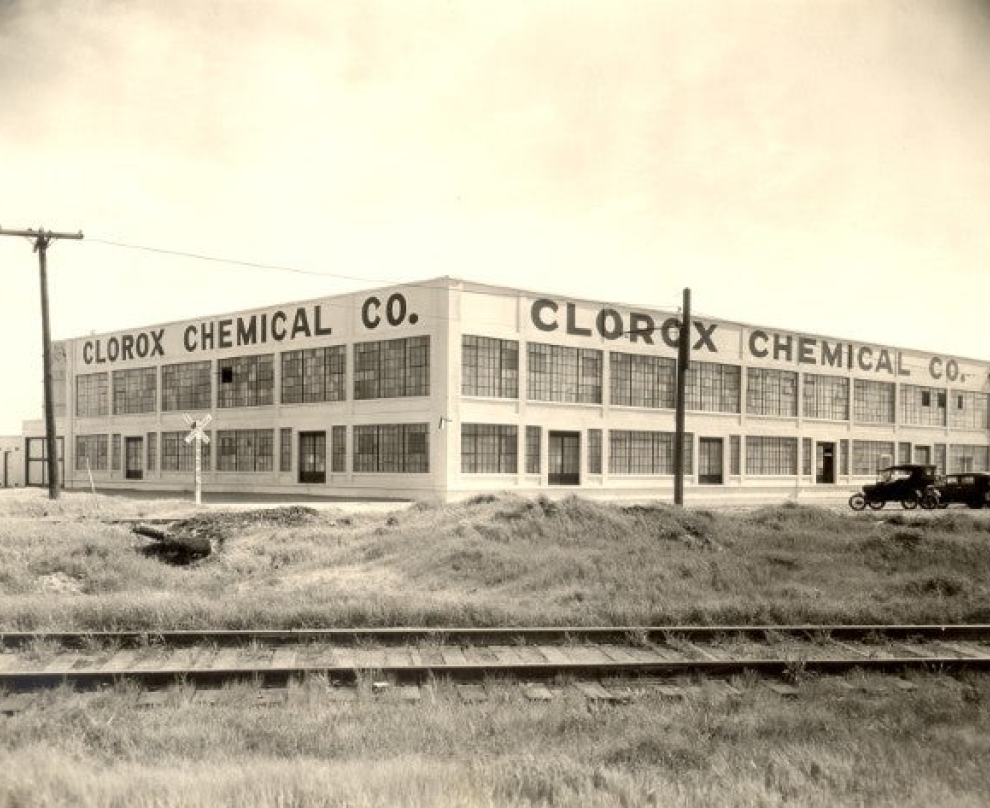
As The Clorox Company ushers in a new century today, the 100th anniversary of our founding, it seems especially fitting to help usher in a 21st-century approach to corporate reporting, by addressing the following question:

Why is the transition to integrated reporting important for The Clorox Company?

Read More …

Apr
30

Really, One Bag Will Do

This post was written by Molly Steinkrauss, PR group manager for the Glad® brand.

We are a trash bag brand that wants to see less trash in the world. As the U.S. works  to divert more to recycling and composting, we are also on a journey to reduce our own waste and help others do the same. We’ve introduced trash bags that use less plastic but are actually stronger, and offer a broader portfolio to help with recycling and composting.

While this idea of driving out waste has been core to our heritage — we have a 28-year partnership with Keep America Beautiful — we knew we could do more to make diversion mainstream and help people and communities reduce the amount of waste they send to landfill. And so, in 2011 we launched Glad® One Bag. The idea: encourage event and venue managers to embrace recycling and composting, with the ultimate goal of sending just one bag of trash to the landfill.

Read More …

Apr
22

How2Recycle Logos Aim to Make Recycling Easier


This post was written by Gwen Lorio, associate research fellow in Global Stewardship.

According to the latest EPA stats, about a third of the waste generated in the U.S. is recycled. That’s a number we’re hoping to help our consumers change for the better.

Next month, you’ll begin to see How2Recyle logos on some of our products in the U.S., including Fresh Step® and Scoop Away® kitty litter cartons, Green Works® laundry detergent and dishwashing liquid, and Oxi® stain remover. And our goal is to have all of our products carry the logos by 2020.

To minimize our own waste, we’ll be rolling out the logos as we refresh/redesign a product’s packaging. Adding a logo to a label may seem somewhat simple, but actually, there’s a lot that happens before a new label makes it onto a store shelf.

Read More …

Apr
16

The Building Wave of #5 Plastics Recycling


Written by John Lively, director, Environment and Material Science at Preserve. Preserve partners with our Brita® team to recycle #5 plastic water filters.

According to the Environmental Protection Agency (EPA), #5 plastic is the most common plastic found in the U.S. municipal waste stream. For Preserve, the company where I’ve worked for almost 15 years, this stream of plastic is a treasure-trove of sustainable material.

First of all, #5 plastic is one of the least impactful plastics according to many metrics and analyses. From its efficient chemical structure to its lack of harmful byproducts like BPA, on many measures #5 plastic routinely ranks as one of the most sustainable options for makers of plastic products. Yet one metric where it does not perform well is its reliance on fossil fuels. While some petrochemical companies have begun to develop #5 plastic from bio-based resources like sugar cane, Preserve has tackled this challenge by sourcing 100 percent recycled #5 plastic for our products.

This has not been for the faint-hearted. Recycling rates for #5 plastic have been a lowly 2 percent for over 20 years — most of which comes from the gardening industry and automobile recycling efforts (think batteries and bumpers). This stuff is not fit for Preserve’s products, like toothbrushes, cups, cutting boards and food storage containers. That’s why in 2001, Preserve started partnering with Stonyfield Farm to recycle their #5 yogurt cups into our products.

Once Preserve became known as the company that turns yogurt cups into toothbrushes, we started to get some intriguing phone calls.

Read More …