

Building teams that thrive over time


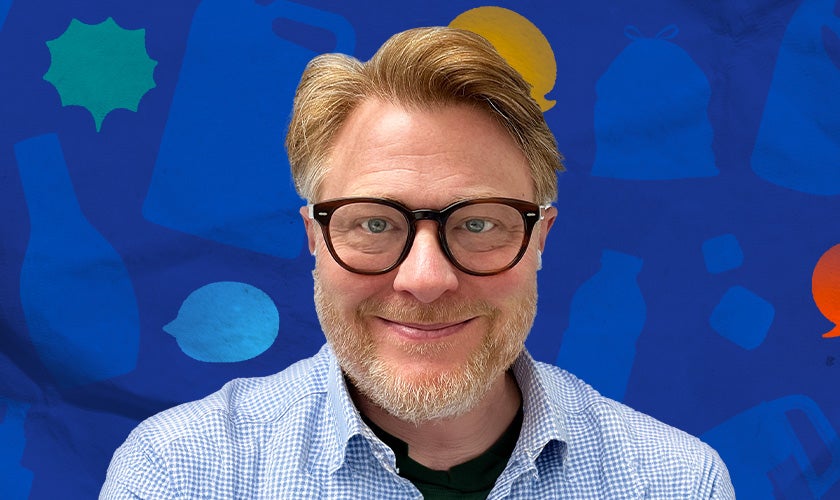
As general manager of Clorox AMEA (Asia, Middle East/North Africa, Europe and Australia/New Zealand), Todd Brock leads businesses across dozens of markets around the world. In a recent appearance on the Sustainable Ambition podcast, he shared lessons from more than three decades of leadership, including how to build sustainable organizations — those that can deliver ambitious results over the long term without burnout, while staying aligned to strategy, values and purpose. He also discussed how to navigate complexity and help people do their best work.
Highlights from Todd’s perspective
You talk about “team sustainability.” What does that mean in practice?
Team sustainability is designed, never accidental. As a leader, there’s an unlimited amount of work you can create for yourself and your teams. You might even get rewarded for it in the short term, but eventually people burn out.
Everything starts with strategy and clear priorities. A leader’s job is to make the choices, communicate those choices in a way people can understand and then organize the business to support them. Once you have a clear strategy, you can design around it.
If you’re working 60 to 70 hours a week on an ongoing basis, I question whether we’ve designed the job correctly. We design every job to be done within a normal workweek. If people are consistently overwhelmed, that’s often a signal that something in the system needs attention.
You’ve spent 27 years at Clorox. What has made the company the place where you’ve wanted to stay and grow?
For me, sustainable ambition requires agency. I need to be able to choose where I work and who I work for.
Clorox’s values have always aligned with my own. I’ve never been asked to do anything outside what’s right. And throughout my career, the company has invested in my ideas and my growth. Every idea I’ve brought forward with a strong business case has received support.
One piece of advice that has stayed with me came when I was being recruited to Clorox. A leader told me that every time I crossed the threshold of the company, I was voting for Clorox. That idea changed how I thought about my career. Every day you’re choosing whether a company shares your values, invests in your ideas and helps you become your best self.
You’ve led through significant change around the world. What’s your approach during periods of uncertainty?
The first step is to break complexity down into its component parts.
During any crisis, people come first. During COVID, every conversation started with, “How do we keep our people safe?” We talked about that until we had the answers we needed. Then we focused on getting products to consumers. Financial results mattered, but they came after those first two priorities.
I also believe leaders need to stay curious. You have to want to know how people are doing and what they’re experiencing. During periods of change, communication becomes even more important. Anchor on your values, anchor on your strategy and then focus on the things you can control.
Want to learn more? Listen to the full podcast here.
